Regular Cleaning in Homes, Offices, and Commercial Spaces
Why Regular Cleaning Matters for Every Space
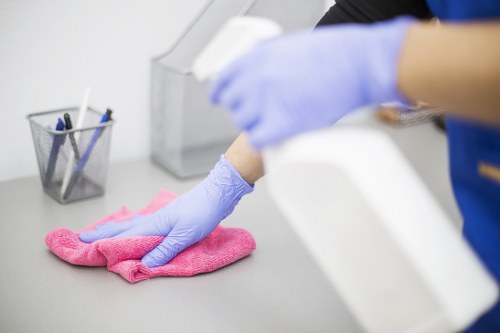
Regular cleaning is more than a simple chore; it is a practical habit that supports comfort, hygiene, and long-term maintenance in every environment. Whether you manage a busy household, an office, or a retail location, regular cleaning helps create a healthier and more welcoming space. A tidy environment is easier to use, easier to maintain, and far more enjoyable for everyone who enters it.
Many people think cleaning is only about appearance, but the value goes far beyond that. Regular cleaning reduces the buildup of dust, dirt, grime, and germs that can affect surfaces and indoor air quality. It also helps prevent larger problems such as staining, odor, mold growth, and premature wear on furniture, flooring, and fixtures. In other words, consistent cleaning supports both health and preservation.
For businesses, the benefits are especially important. Clients, customers, and employees notice the condition of a space immediately. A clean workplace signals professionalism, care, and attention to detail. That first impression can influence trust, satisfaction, and even productivity. This is why regular cleaning is often seen as an essential part of day-to-day operations rather than an optional extra.
How Regular Cleaning Improves Health and Hygiene
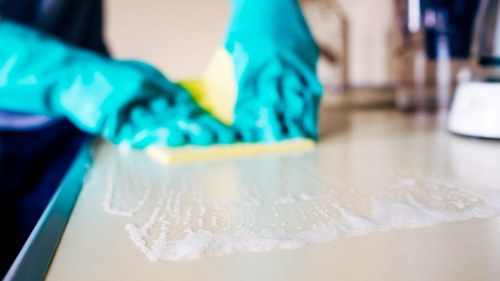
One of the strongest reasons to prioritize regular cleaning is hygiene. Surfaces in homes and workplaces can collect bacteria, allergens, and viruses over time. High-touch areas such as door handles, light switches, countertops, desks, and bathroom fixtures require consistent attention to reduce the spread of contaminants. A routine cleaning schedule helps keep these areas safer and more sanitary.
People with allergies or respiratory sensitivities often benefit greatly from frequent cleaning. Dust, pet dander, pollen, and mold spores can build up quickly if a space is neglected. By keeping floors vacuumed, surfaces dusted, and fabrics cleaned, regular cleaning can help reduce common triggers and improve indoor comfort. This is especially important in bedrooms, living rooms, offices, and shared spaces.
Health is also linked to psychological comfort. A neat and fresh environment can reduce stress and create a sense of control. When clutter and dirt are minimized, people often feel more relaxed and focused. That is one reason regular cleaning is considered a positive lifestyle habit as well as a maintenance task.
The Long-Term Benefits of Regular Cleaning
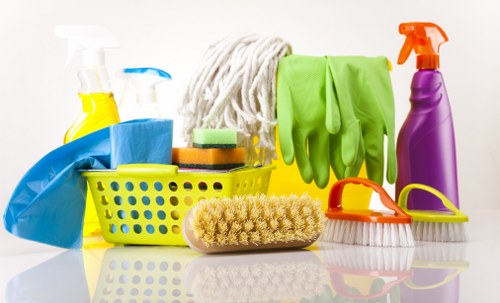
Regular cleaning does not just solve immediate messes; it also protects the value of your property and belongings. Dirt, stains, and buildup can damage surfaces gradually, especially if they are left untreated. For example, carpets can wear out faster when debris becomes embedded, while kitchen surfaces may stain permanently if grease is allowed to sit too long. Consistent cleaning helps prevent these issues before they become expensive repairs or replacements.
Appliances and equipment also last longer when cleaned regularly. Filters, vents, and moving parts can become clogged with dust and residue, which may reduce performance. In homes, this can affect refrigerators, ovens, washing machines, and HVAC systems. In commercial settings, regular cleaning supports machinery, electronics, and workstations. A small amount of routine care often saves time and money later.
Another major advantage is organization. A clean space is easier to manage because everything has a clearer place and function. When cleaning is part of the routine, clutter tends to stay under control, and maintenance becomes less overwhelming. This creates a cycle of efficiency: the cleaner the space, the easier it is to keep it clean.
Regular Cleaning in the Home Environment
Homes require constant attention because daily living naturally creates mess. Cooking, foot traffic, laundry, pets, and children all contribute to dust and debris. Regular cleaning in the home keeps these tasks manageable and prevents buildup from becoming disruptive. A consistent schedule is far more effective than waiting until a deep clean becomes necessary.
Different rooms need different cleaning routines. Kitchens and bathrooms usually require the most frequent care because they are exposed to moisture, food residue, and germs. Bedrooms and living areas may focus more on dusting, vacuuming, and keeping surfaces tidy. Hallways, entryways, and stairs often need attention because they collect dirt from shoes and outdoor exposure.
Many households find success by dividing chores into daily, weekly, and monthly tasks. This approach makes regular cleaning more realistic and less stressful. A few minutes each day can prevent major messes later and help maintain a comfortable living environment for everyone in the home.
Daily Cleaning Habits That Make a Big Difference
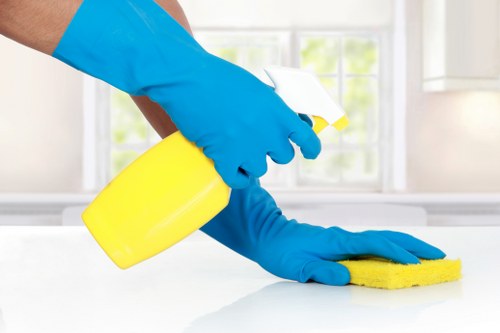
Simple habits can transform the way a home feels. Wiping counters after use, putting items back in place, sweeping high-traffic areas, and washing dishes promptly all support regular cleaning. These small actions prevent clutter and grime from accumulating and make deeper cleaning faster when the time comes.
Daily cleaning habits are especially useful in busy households. Families with children or pets know that messes can appear quickly, so quick tidying routines help keep things under control. Even 10 to 15 minutes a day can reduce the workload and create a more peaceful atmosphere. The key is consistency rather than perfection.
These habits also encourage everyone in the household to participate. When cleaning becomes a shared routine, the responsibility is easier to manage and more likely to continue over time. This creates a cleaner, more cooperative home environment where maintenance feels natural instead of burdensome.
Examples of helpful daily tasks
- Make beds and tidy bedrooms in the morning
- Wipe kitchen counters and dining tables after meals
- Sweep entryways and high-traffic floors
- Put away shoes, bags, and household items
- Take out trash before odors build up
Regular Cleaning in Offices and Workplaces
In an office setting, regular cleaning plays a major role in workplace performance. Employees spend many hours in the same environment, so cleanliness directly affects comfort, focus, and morale. Dusty desks, overflowing bins, dirty restrooms, and messy common areas can make the workday less pleasant and may even reduce efficiency.
A clean office also supports professional image. Visitors, clients, and partners notice the details of a workspace. Clean floors, organized meeting rooms, and sanitized surfaces communicate reliability and competence. In competitive industries, this can influence how a business is perceived from the first moment someone steps inside.
Workplace cleaning should be structured and consistent. High-touch surfaces, shared equipment, break rooms, and restrooms require regular sanitation. In many organizations, the best approach is a combination of daily upkeep and scheduled deeper cleaning. This balance helps maintain hygiene without interrupting operations.
Regular Cleaning Tasks for Office Spaces
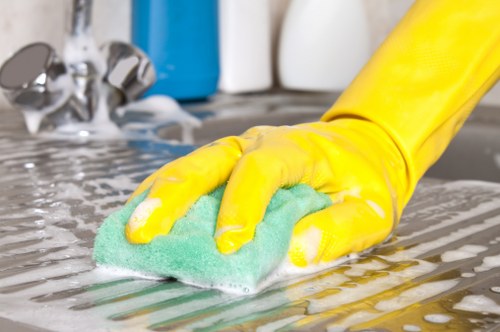
Office cleaning often includes more than just taking out the trash. A professional routine may involve vacuuming carpets, mopping hard floors, dusting surfaces, cleaning glass, disinfecting desks, and maintaining shared spaces. Regular cleaning also helps reduce the spread of germs in environments where many people use the same surfaces throughout the day.
Another important factor is employee wellbeing. A cluttered or dirty office can contribute to distraction and stress. On the other hand, a clean and organized workspace can help people concentrate and feel more confident about their surroundings. Cleanliness may seem like a small detail, but it can have a noticeable effect on productivity and workplace satisfaction.
Businesses that invest in regular cleaning often benefit from fewer maintenance issues as well. Dirt and dust can damage electronics, carpets, and furniture over time. By keeping these areas clean, companies protect their assets and maintain a more polished, professional environment.
Common office cleaning priorities
- Sanitize desks, keyboards, and shared devices
- Clean restrooms and replenish supplies
- Vacuum carpets and mop floors
- Empty bins and manage waste properly
- Dust shelving, blinds, and window sills
Regular Cleaning for Commercial and Retail Properties
Retail stores, restaurants, clinics, and other commercial properties depend heavily on appearance and sanitation. Regular cleaning helps create a positive customer experience and supports safe operations. A messy storefront or unsanitary restroom can quickly lead to negative impressions, while a clean and orderly environment encourages trust and repeat visits.
Commercial spaces often experience higher traffic than private homes, so dirt and wear accumulate faster. Entrances, checkout areas, waiting rooms, and display zones should be maintained carefully to ensure the space remains attractive and functional. In food service or healthcare environments, regular cleaning is especially critical because sanitation standards are closely linked to safety and compliance.
In commercial settings, routine cleaning can also reduce liability. Slippery floors, blocked walkways, and unsanitary conditions may increase the risk of accidents or complaints. A proactive cleaning plan helps identify and address these concerns early, keeping the environment safer for both staff and visitors.
What a Strong Regular Cleaning Routine Should Include
A strong routine is organized, realistic, and suited to the space being maintained. The best regular cleaning plan usually combines light daily tasks with deeper weekly and monthly work. This structure ensures that visible messes are handled quickly while hidden buildup is addressed before it becomes a problem.
Every space has unique needs, but most cleaning routines should cover dusting, vacuuming, mopping, sanitizing, trash removal, bathroom care, and surface cleaning. Areas that receive more traffic or handle food, moisture, or shared use often need more frequent attention. The goal is to create a system that is easy to follow and sustainable over time.
Consistency is the most important factor. A cleaning routine only works if it is realistic enough to maintain. That is why many people find it helpful to assign tasks by room, by day, or by priority level. This reduces decision fatigue and makes the process feel less overwhelming.
Suggested Cleaning Frequency by Area
Although schedules vary, the following framework can help structure regular cleaning in most settings:
- Daily: wipe surfaces, manage trash, tidy clutter, and clean high-use areas.
- Weekly: vacuum, mop, disinfect bathrooms, clean kitchen appliances, and dust furniture.
- Monthly: wash windows, clean vents, organize storage, and inspect less visible spaces.
- Seasonally: deep clean carpets, furniture, baseboards, and hard-to-reach areas.
This kind of structure makes regular cleaning more manageable and reduces the chances of missed tasks. It also helps balance efficiency with thoroughness, especially in large or busy spaces.
When a space is cleaned on a schedule, maintenance becomes predictable. That predictability is valuable because it allows homeowners and business managers to plan resources, products, and time more effectively. Over time, regular cleaning becomes a habit that supports the entire environment.
Choosing the Right Cleaning Methods and Products
Not all cleaning methods are appropriate for every surface. Effective regular cleaning depends on using the right products and techniques for each material. Wood, glass, tile, stainless steel, fabric, and stone all require different approaches to avoid damage while still achieving a thorough clean.
Using too much product can sometimes create residue, while using the wrong chemical may harm finishes or discolor surfaces. Reading labels and following instructions matters. In addition, eco-friendly and low-odor products may be preferable in homes, schools, offices, and retail spaces where air quality and safety are important.
Microfiber cloths, vacuum attachments, gentle scrubbers, and disinfectants all have their place in a cleaning routine. Choosing the right tools can make regular cleaning faster and more effective. Good equipment helps people clean more thoroughly with less effort, which increases the likelihood that the routine will be maintained.
Eco-friendly regular cleaning options
Many people are now choosing greener products for regular cleaning. These options often reduce exposure to harsh chemicals while still delivering excellent results. Examples include plant-based cleaners, reusable cloths, concentrated formulas, and products with minimal packaging. For many households and businesses, this is a practical way to support both cleanliness and sustainability.
Eco-friendly cleaning can also reduce waste over time. Reusable tools, refill systems, and simple ingredients can lower the environmental footprint of maintenance routines. When paired with smart scheduling, these choices help people maintain a clean space while being mindful of long-term impact.
Why Regular Cleaning Supports Mental Wellbeing
Regular cleaning affects more than just the physical environment. It can also influence mood, focus, and emotional comfort. A clean room often feels calmer and more welcoming, while clutter and mess may contribute to tension or distraction. This is especially true in homes where people spend a great deal of time and in offices where concentration matters.
There is also a sense of achievement that comes from maintaining a clean space. Completing small cleaning tasks can create momentum and make larger goals feel more attainable. That feeling of progress can be motivating and may encourage people to stay consistent with other productive habits as well.
For households, a clean environment can improve daily routines. Morning preparation, cooking, studying, relaxing, and sleeping all tend to feel easier when the surroundings are neat and orderly. In workplaces, regular cleaning contributes to a more pleasant atmosphere where employees can focus on work instead of distractions.
How to Make Regular Cleaning Easier to Maintain
One reason cleaning routines fail is that they are too complicated or unrealistic. The best approach is simple, practical, and easy to repeat. Start with a few high-impact tasks and build from there. Regular cleaning works best when the routine fits the lifestyle of the people responsible for it.
Setting reminders, assigning responsibilities, and keeping supplies accessible can make a big difference. If cleaning tools are stored where they are needed, it is easier to act quickly when messes occur. Likewise, dividing tasks among family members or staff members helps prevent burnout and makes the process feel fair.
Motivation also improves when the results are visible. Many people enjoy following a checklist because it shows progress in a clear way. A simple routine can be enough to maintain order and prevent the buildup that leads to larger, more time-consuming projects later.
Practical tips for staying consistent
- Keep cleaning supplies in convenient locations
- Use a written or digital cleaning schedule
- Focus on high-traffic areas first
- Break larger tasks into smaller steps
- Review routines regularly and adjust when needed
When to Consider Professional Cleaning Support
Even with a strong routine, some spaces may need extra help. Large properties, high-traffic businesses, post-renovation areas, and homes with demanding schedules can benefit from professional support. Regular cleaning performed by trained cleaners can provide a deeper level of maintenance and save significant time.
Professional services are especially useful when specialized equipment or expertise is required. Deep carpet cleaning, floor polishing, sanitization, and detailed surface care often demand tools and techniques that go beyond everyday upkeep. For many property owners, combining routine maintenance with periodic professional service is the most efficient solution.
If your cleaning schedule is falling behind or your space consistently feels difficult to maintain, that is a strong sign that extra support may help. The goal is not just cleanliness for today, but a sustainable system that protects the property and makes life easier over the long term.
Final thoughts on regular cleaning
Regular cleaning is one of the simplest and most effective ways to protect health, preserve property, and improve daily life. It supports better hygiene, stronger first impressions, lower maintenance costs, and greater comfort in homes, offices, and commercial spaces. When cleaning becomes routine, the benefits quickly add up.
Whether you are managing a household or running a business, the message is the same: consistency matters. Small efforts performed regularly are often far more effective than occasional intensive cleaning sessions. By staying organized, using the right methods, and keeping tasks manageable, you can maintain a cleaner, safer, and more appealing environment.
Now is the perfect time to take the next step toward a cleaner space. Contact us today to learn how regular cleaning can support your property goals, or book your service now and enjoy the benefits of a well-maintained environment.