Move in Cleaning in a New Home: A Fresh Start for Every Space
Moving into a new home is exciting, but it also comes with a long checklist of tasks that can quickly feel overwhelming. One of the most important steps is move in cleaning, a process that helps create a fresh, healthy, and welcoming environment before you unpack your boxes. Whether the property is brand new, previously occupied, or sitting vacant for a while, a thorough move in cleaning can make a big difference in comfort, hygiene, and peace of mind.
Many people assume a property is ready the moment they receive the keys, but hidden dust, residue, odors, and overlooked grime often remain behind. That is why move in cleaning services are so valuable for families, professionals, renters, and homeowners who want to start clean. From kitchens and bathrooms to baseboards, windows, and inside cabinets, every area deserves attention before your belongings arrive.
In this article, we will explore what move in cleaning includes, why it matters, what areas should be cleaned first, and how to plan the process efficiently. You will also find useful tips, checklists, and practical advice to help you enjoy a smoother transition into your new space.
Why Move in Cleaning Matters Before You Unpack
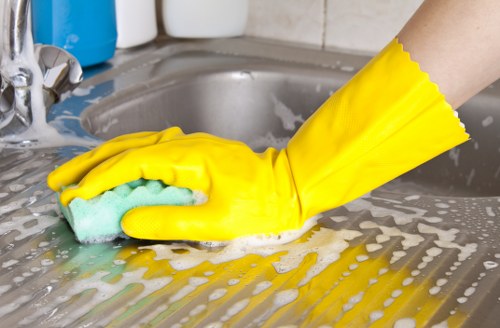
Move in cleaning is more than just a nice extra; it is a smart way to protect your health and comfort from day one. Even if a home appears tidy, it may still contain dust in vents, crumbs in drawers, soap residue in showers, grease on kitchen surfaces, or allergens in corners. When you clean before moving in, you can reach every surface more easily because the rooms are still empty.
This is especially helpful for people with allergies, children, pets, or respiratory sensitivities. A properly done move in cleaning service can remove contaminants that may trigger discomfort later. It also sets the standard for how you want to maintain the property moving forward.
Another major benefit is peace of mind. Starting in a clean environment feels better mentally and emotionally. Instead of wondering what was left behind by previous occupants, you can settle in knowing your kitchen counters, bathroom fixtures, and sleeping spaces have been thoroughly sanitized and refreshed.
The Difference Between Move In and Regular Cleaning
A regular cleaning routine focuses on maintenance, but move in cleaning is deeper and more detailed. It targets the hidden areas that are often skipped during routine housekeeping. Think of it as a reset for the entire property. This process often includes cleaning inside cabinets, scrubbing walls, wiping door frames, sanitizing appliances, and removing built-up dust from less visible surfaces.
Because the home is empty, the job can be done more efficiently and thoroughly. There are fewer obstacles, making it easier to reach shelves, corners, and hard-to-access areas. That is one reason why many people choose professional move in cleaning before bringing in furniture and boxes.
In short, a standard tidy-up cannot replace a full move in cleaning. If you want a fresh foundation for your household, this step is essential.
What Is Included in a Move in Cleaning Service?

The scope of move in cleaning can vary depending on the home’s condition and the service provider, but most packages focus on detailed cleaning of every major area. It is designed to ensure the entire property feels ready for occupancy, not just visually clean but truly refreshed.
Typical tasks may include dusting all reachable surfaces, wiping down baseboards, cleaning window sills, disinfecting countertops, sanitizing bathrooms, and cleaning the inside and outside of cabinets. In many cases, move in cleaning services also include detailed kitchen cleaning, such as the oven, stovetop, refrigerator, sink, and backsplash.
Floors are another priority. Vacuuming, sweeping, mopping, and edge cleaning can remove debris that may have accumulated during vacancy, repairs, or previous use. A full move in cleaning also pays attention to light switches, handles, vents, and other high-touch points.
Common Areas Covered During Move In Cleaning
To better understand what is usually included, here are some of the most common areas addressed during a move in cleaning:
- Kitchen: counters, sink, appliances, cabinet interiors, drawers, and backsplash
- Bathrooms: toilets, showers, tubs, sinks, mirrors, fixtures, and tile
- Bedrooms: closets, shelves, baseboards, floors, windowsills, and doors
- Living spaces: dusting, vacuuming, floors, trim, and high-touch surfaces
- Entryways: door frames, floors, handles, and visible cobwebs
Some services may also offer additional options such as inside refrigerator cleaning, wall spot cleaning, or detailed dust removal for ceiling fans and vents. These extras can be very useful when the property has been vacant or has a lot of dust buildup.
Move in cleaning should always be customized to the condition of the home. A newly built property may need post-construction dust removal, while an older rental may need stronger degreasing and sanitizing. The right cleaning plan should match the space.
Rooms That Need the Most Attention

Every room matters, but some spaces require extra focus during move in cleaning. Kitchens and bathrooms usually come first because they are high-use, high-touch areas where dirt, residue, and germs can build up quickly. These rooms also tend to contain many surfaces that need sanitizing, from sinks and faucets to handles and shelves.
The kitchen deserves careful cleaning because food preparation makes cleanliness especially important. Even if appliances look polished, there may be grease inside the oven, crumbs in drawers, or leftover debris behind and beneath the refrigerator. A thorough move in cleaning makes sure these hidden areas are addressed before you store food or cookware.
Bathrooms are equally important. Soap scum, mineral buildup, and moisture-related grime can linger on tiles, tubs, drains, and fixtures. A detailed move in cleaning can help ensure the bathroom feels sanitary and comfortable from the start.
How to Prioritize Cleaning by Room
A practical way to approach move in cleaning is to prioritize the rooms in this order:
- Kitchen – food-contact surfaces and appliances
- Bathrooms – sanitation and moisture-heavy areas
- Bedrooms – closets, floors, and dust-prone spaces
- Living room and common areas – dusting and floor care
- Entry and hallways – first impressions and high-traffic zones
By focusing on the most essential spaces first, you can ensure that your daily routines are not disrupted while the rest of the home is being cleaned. This is a helpful approach whether you are doing the work yourself or hiring move in cleaning services.
It is also smart to inspect each room before unpacking. If you spot extra dust, stains, or odor issues, you can address them before furniture is placed. That flexibility is one of the biggest advantages of move in cleaning.
Benefits of Hiring Professional Move In Cleaning Services
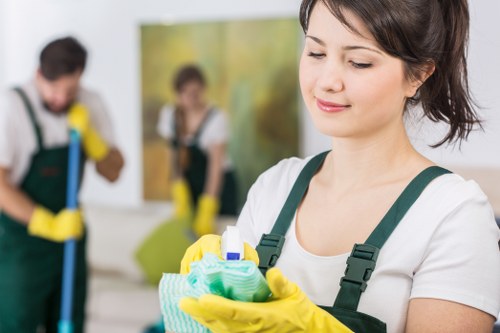
While some people prefer to handle move in cleaning on their own, hiring professionals can save time, reduce stress, and deliver a more thorough result. Professional cleaners bring tools, products, and experience that allow them to work efficiently and pay attention to details that are easy to miss.
One major advantage is convenience. Moving is already physically and mentally demanding, and cleaning an entire home can add hours of labor. When you hire a team for move in cleaning services, you can focus on organizing utilities, unpacking essentials, and coordinating the move rather than scrubbing every surface yourself.
Another benefit is consistency. Professional cleaners follow a structured process to make sure no important area is overlooked. They know how to address kitchens, bathrooms, and other surfaces in a way that supports cleanliness and presentation. For many households, this level of detail is worth the investment.
Why Professionals Can Deliver Better Results
Professional move in cleaning teams often have access to commercial-grade supplies and equipment. This can be especially helpful for tackling stubborn buildup, dust in corners, and grime in hard-to-reach places. Their knowledge of safe product use also helps protect different surfaces, including tile, stone, wood, and stainless steel.
Professionals can also spot issues that a rushed move may hide. For example, they may notice water stains, mold concerns, damaged caulking, or deep cleaning needs around vents and baseboards. Catching these problems early can prevent future inconvenience.
For busy families, professionals, and renters on a deadline, move in cleaning offers a practical solution that helps create a healthier and more enjoyable place to live. If you want to start fresh without exhausting yourself, this is often the smartest choice.
How to Prepare for a Move in Cleaning

Preparation can make move in cleaning much easier and more effective. If you are hiring a service, it helps to make sure the property is accessible and that the cleaner can move freely from room to room. If you are cleaning yourself, setting a plan in advance saves time and prevents frustration.
Start by confirming that the utilities are on, especially electricity and water. Without them, tasks like vacuuming, mopping, and sanitizing become much harder. It is also useful to make sure the home is empty or nearly empty before deep cleaning begins so that every surface can be reached.
Next, inspect the property for any problem areas. Look for heavy dust, sticky residue, lingering odors, stained walls, or dirty appliances. Making a note of these issues helps you decide whether you need basic move in cleaning or a more intensive deep-clean approach.
Simple Pre-Cleaning Checklist
Before your move in cleaning begins, consider this checklist:
- Turn on water and electricity
- Remove leftover items from previous occupants
- Open windows if ventilation is needed
- Check for visible damage or stains
- Gather cleaning supplies or confirm service details
- Plan the order of rooms to be cleaned
It is also a good idea to clean top-to-bottom, meaning ceilings and upper surfaces first, then counters, and finally floors. This prevents dust and debris from settling on already cleaned areas. The same principle applies whether the job is done by you or by professionals.
A little planning goes a long way. When the process is organized, move in cleaning becomes faster, smoother, and far less stressful.
DIY Move in Cleaning Tips for Homeowners and Renters
Some people prefer a hands-on approach to move in cleaning, especially if the property only needs light to moderate attention. If you are planning to do it yourself, the key is working methodically and using the right tools. A step-by-step approach helps ensure nothing gets missed.
Start with dusting and dry debris removal. Before using water or cleaning solutions, remove loose dirt from shelves, corners, vents, and surfaces. This prevents mud-like buildup and makes the later cleaning stages more effective. Then move on to wiping, disinfecting, and polishing as needed.
Another important tip is to use separate cloths or wipes for different areas. Kitchen items should not be reused in bathrooms, and surfaces that touch food should remain clean and sanitary. This simple habit can improve the overall quality of your move in cleaning.
Useful DIY Cleaning Supplies
For a basic move in cleaning, you may want to have the following supplies ready:
- Microfiber cloths
- All-purpose cleaner
- Glass cleaner
- Disinfectant spray or wipes
- Mop and bucket
- Vacuum cleaner
- Scrub brush or sponge
- Rubber gloves
Do not forget small details like door handles, switches, outlet covers, and trim. These areas are often touched frequently and can collect dirt even when they look harmless. A careful move in cleaning should cover both large and small surfaces.
If the home has been vacant for a long time or has signs of heavy buildup, it may be better to combine DIY effort with professional help. This hybrid approach can save time while still delivering a spotless finish.
Move in Cleaning for Different Property Types
Move in cleaning is not the same for every property. A modern apartment, a suburban family house, and a newly constructed home all have different needs. Understanding the type of space you are entering helps you choose the right cleaning strategy.
For apartments or rentals, the cleaning often focuses on residue left by previous tenants. This may include bathroom buildup, kitchen grease, dust in closets, and marks on walls or floors. For houses, there may be more square footage, more storage areas, and more surfaces to clean thoroughly.
New construction homes usually need a different kind of move in cleaning. Instead of tenant residue, the main issue is often fine dust from construction materials, paint particles, and debris in corners, vents, and on surfaces. This requires detailed dust removal and careful wiping of all fixtures.
Special Considerations by Property Type
- Rental homes: focus on sanitizing and removing prior use buildup
- New homes: remove construction dust and residue
- Vacant homes: check for odors, dust, and hidden debris
- Luxury properties: pay close attention to delicate finishes and specialty materials
In every case, the goal of move in cleaning is the same: prepare a fresh, livable environment that feels ready for immediate use. The exact cleaning process may differ, but the standard of cleanliness should remain high.
When in doubt, ask for a customized plan. That way, your move in cleaning services can match the actual condition of the property instead of following a one-size-fits-all approach.
How Move in Cleaning Supports a Healthier Home
One of the strongest reasons to invest in move in cleaning is health. A clean home can reduce exposure to dust, allergens, germs, and lingering odors that may affect how you feel in your new space. This is particularly valuable for children, seniors, and anyone with asthma or allergies.
Bathrooms and kitchens are especially important from a hygiene perspective because they are linked to food, water, and daily personal care. Sanitizing these areas before use helps create confidence in your new surroundings. It also minimizes the chance that hidden buildup becomes a bigger problem later.
Fresh air and clean surfaces work together to improve the feeling of a home. After a proper move in cleaning, rooms tend to smell better, look brighter, and feel more inviting. That sense of freshness can make the moving process easier to manage overall.
Small Details That Support Better Indoor Comfort
There are several small details that can make a noticeable difference during move in cleaning:
- Cleaning vents and fan covers to reduce dust circulation
- Wiping window tracks and sills to remove debris
- Sanitizing light switches and door handles
- Removing odors from cabinets and storage spaces
- Cleaning floors before rugs and furniture are placed
These smaller steps may seem minor, but they contribute significantly to the overall comfort of the home. When every corner is addressed, the entire property feels more polished and ready for everyday living.
That is the real value of move in cleaning: it helps you begin your new chapter in a space that feels clean, safe, and welcoming.
How to Maintain the Results After Move in Cleaning
Once your move in cleaning is complete, the next step is keeping the home in good shape. A clean start is most effective when paired with a simple maintenance routine. This does not have to be complicated; small habits can preserve the freshness you worked hard to achieve.
Start by setting a basic weekly cleaning schedule. High-touch areas like bathroom sinks, kitchen counters, and floors should be cleaned regularly. If you unpack in stages, try to wipe shelves and surfaces before placing items on them. This keeps dust from accumulating inside drawers and cabinets.
Another smart habit is to store cleaning supplies in an accessible spot. That way, small messes can be handled quickly before they grow into larger cleaning tasks. A little maintenance helps extend the benefits of your initial move in cleaning.
Simple Ongoing Cleaning Habits
To preserve the results of your move in cleaning, try these habits:
- Wipe kitchen counters after each use
- Disinfect bathroom sinks and handles regularly
- Vacuum or sweep floors weekly
- Dust surfaces and vents every few days
- Address spills and stains immediately
If you keep up with these routines, your home will stay cleaner for longer and require fewer deep-cleaning sessions. That means more time enjoying your space and less time catching up on chores.
When done properly, move in cleaning creates a strong foundation for long-term home care. It is not just about the first day in the house; it is about setting a standard for the future.
Final Thoughts on Move in Cleaning
Move in cleaning is one of the smartest steps you can take when entering a new home. It removes dirt, dust, and hidden residue while helping you feel comfortable from the moment you arrive. Whether you handle the work yourself or choose professional move in cleaning services, the result is the same: a cleaner, healthier, and more welcoming home.
From kitchens and bathrooms to floors, closets, and small details, every area matters. A careful cleaning process before unpacking gives you a better starting point and helps you enjoy your new space with fewer concerns. It also supports better hygiene and makes it easier to stay organized once the move is complete.
If you are preparing for a move, do not overlook this important step. Move in cleaning can make your new home feel truly yours from day one. Book your service now or plan your cleaning checklist early so you can settle in with confidence. Contact us today to take the first step toward a fresh start.